On the Difference Between Concept, Expression, and Ination in Orapizm

Let us imagine a river.

Three people enter the water. Each moves differently. The difference does not lie in the style of movement, but in the way that movement is organized.

This metaphor allows us to grasp the essential distinction between conceptual art, art of expression, and Orapizm.


1. The Conceptual Swimmer — Movement According to a Plan

The first swimmer moves according to a predetermined goal.
Direction and trajectory are established in advance.
The movement executes a project.

This corresponds to conceptual art.

Structure:
idea → realization → image

The gesture is the execution of an assumption.
Meaning precedes action.


2. The Expressive Swimmer — Movement Organized by a Dominant State

The second swimmer does not follow a plan.
His movement is organized by a dominant state — tension, intensity, arousal.

It is not about direction, but about force.
The movement is shaped by what prevails at a given moment.

This corresponds to art of expression.

Structure:
state → gesture → trace

The action becomes a recording of energy.


3. The Third Swimmer — Ination in Orapizm

The third swimmer moves differently.

He does not execute a plan.
He does not act under the dominance of tension.

Movement occurs as a direct relation to what is happening in the present.
It is not organized around a goal or a state.

At a certain point, it ceases to matter “who acts.”
What remains is the event of movement itself.

This is the moment of Ination.


Orapizm: From Concept to Transcendence

Orapizm, as an artistic practice, begins with a concept.

The concept establishes a frame: theme, direction, structure.
This is a narrative stage.

The act of Orapizm occurs only when the concept ceases to function as a controlling force.

It is not about demonstratively destroying the concept,
but about transcending its dominance.

Only at this point does Ination become possible.


What Is Ination?

Ination is a state of pre-narrative presence in which the creative act occurs without constructing a story about the “self” as its center.

Narrative organizes experience around identity:
“I did this,” “this is about me,” “this means.”

In conceptual art, narrative precedes the gesture.
In expressive art, narrative arises as a result of the dominant state.

In Ination, the narrative center does not organize the action.

Movement continues.
A trace emerges.
No story is constructed.

This does not imply a lack of consciousness.
It implies the suspension of the dominance of the identity-forming mechanism.


Technique and Act

Orapizm possesses a specific technique and method of working with material.

However, the technique alone may lead to:

  • formal abstraction,
  • expressionism,
  • performance,
  • conceptual realization,
  • an aesthetic of gesture.

It may generate dynamic images and intense structures.

This still does not mean that the act of Orapizm has occurred.

The act of Orapizm takes place exclusively when Ination appears.

Without Ination, a painting executed using the technique of Orapizm is produced.
With Ination, the act of Orapizm occurs.

The difference is structural, not stylistic.


The Difference at a Glance

ConceptualExpressiveInation in Orapizm
Point of departureIdeaDominant stateTranscendence of the narrative center
MovementExecution of a planOrganized by tensionEvent without a center
MeaningIntendedEmerging from the stateNon-imposed

Returning to the River

The first swimmer organizes movement around a plan.
The second organizes movement around a dominant state.

In both cases, action has a center that gives it direction.

The third does not organize movement around a plan or a state.
The movement is not controlled by project or tension.
It does not concentrate around someone who governs it.

The event occurs.

The trace remains.

Not as the execution of a plan.
Not as a record of tension.

But as the result of Ination — a state of pre-narrative presence in which the creative act unfolds without constructing a narrative center.


Editorial Note

Orapizm® is a registered name designating an original artistic practice defined as a process leading to Ination — a pre-narrative form of presence within the creative act.

O różnicy między koncepcją, ekspresją a Inacją w Orapizmie

Wyobraźmy sobie rzekę.

Do wody wchodzą trzy osoby. Każda porusza się inaczej. Różnica nie dotyczy stylu ruchu, lecz sposobu jego organizacji.

Ta metafora pozwala uchwycić zasadniczą różnicę między sztuką koncepcyjną, sztuką ekspresji a Orapizmem.


1. Pływak koncepcyjny — ruch według planu

Pierwszy porusza się według założonego celu.
Kierunek i trajektoria są ustalone wcześniej.
Ruch realizuje projekt.

To odpowiednik sztuki koncepcyjnej.

Struktura:
idea → realizacja → obraz

Gest jest wykonaniem założenia.
Sens poprzedza działanie.


2. Pływak ekspresyjny — ruch organizowany przez dominujący stan

Drugi nie realizuje planu.
Jego ruch organizuje dominujący stan — napięcie, intensywność, pobudzenie.

Nie chodzi o kierunek, lecz o siłę.
Ruch jest kształtowany przez to, co w danym momencie przeważa.

To odpowiednik sztuki ekspresji.

Struktura:
stan → gest → ślad

Działanie przybiera formę zapisu energii.


3. Trzeci pływak — Inacja w Orapizmie

Trzeci porusza się inaczej.

Nie realizuje planu.
Nie działa pod dominacją napięcia.

Ruch zachodzi jako bezpośrednia relacja z tym, co aktualnie się wydarza.
Nie organizuje się wokół celu ani stanu.

W pewnym momencie przestaje być istotne „kto działa”.
Pozostaje samo zdarzenie ruchu.

To moment Inacji.


Orapizm: od konceptu do przekroczenia

Orapizm jako praktyka artystyczna rozpoczyna się od konceptu.

Koncept ustanawia ramę: temat, kierunek, strukturę.
Jest to etap narracyjny.

Akt Orapizmu zachodzi dopiero wtedy, gdy koncept przestaje pełnić funkcję sterującą.

Nie chodzi o jego demonstracyjne zniszczenie,
lecz o przekroczenie jego dominacji.

Dopiero w tym momencie możliwa jest Inacja.


Czym jest Inacja?

Inacja to stan przednarracyjnej obecności, w którym akt twórczy zachodzi bez budowania historii o „ja” jako jego centrum.

Narracja organizuje doświadczenie wokół tożsamości:
„ja zrobiłem”, „to jest o mnie”, „to znaczy”.

W sztuce koncepcyjnej narracja poprzedza gest.
W sztuce ekspresyjnej narracja powstaje w wyniku dominującego stanu.

W Inacji narracyjne centrum nie organizuje działania.

Ruch trwa.
Ślad powstaje.
Nie powstaje opowieść.

Nie oznacza to braku świadomości.
Oznacza zawieszenie dominacji mechanizmu tożsamościowego.


Technika a akt

Orapizm posiada określoną technikę i sposób pracy z materią.

Jednak sama technika może prowadzić do:

  • abstrakcji formalnej,
  • ekspresjonizmu,
  • performansu,
  • realizacji koncepcyjnej,
  • estetyki gestu.

Może generować dynamiczne obrazy i intensywne struktury.

To wciąż nie oznacza, że zachodzi akt Orapizmu.

Akt Orapizmu zachodzi wyłącznie wtedy, gdy pojawia się Inacja.

Bez Inacji powstaje obraz wykonany techniką Orapizmu.
Z Inacją powstaje akt Orapizmu.

To różnica strukturalna, nie stylistyczna.


Różnica w jednym spojrzeniu

KoncepcyjneEkspresyjneInacja w Orapizmie
Punkt wyjściaIdeaDominujący stanPrzekroczenie narracyjnego centrum
RuchRealizacja planuOrganizowany przez napięcieZdarzenie bez centrum
SensZamierzonyWynikający ze stanuNienarzucany

Powrót do rzeki

Pierwszy pływak organizuje ruch wokół planu.
Drugi organizuje ruch wokół dominującego stanu.

W obu przypadkach działanie ma centrum, które nadaje mu kierunek.

Trzeci nie organizuje się wokół planu ani wokół stanu.
Ruch nie jest sterowany ani projektem, ani napięciem.
Nie koncentruje się wokół „kogoś”, kto nim zarządza.

Zdarzenie zachodzi.

Ślad pozostaje.

Nie jako realizacja planu.
Nie jako zapis napięcia.

Jako rezultat Inacji stanu przednarracyjnej obecności, w którym akt twórczy zachodzi bez budowania narracyjnego centrum.


Nota redakcyjna
Orapizm® stanowi zarejestrowaną nazwę autorskiej praktyki artystycznej, definiowanej jako proces prowadzący do Inacji — przednarracyjnej formy obecności w akcie twórczym.

WHEN WORD MEETS IMAGE

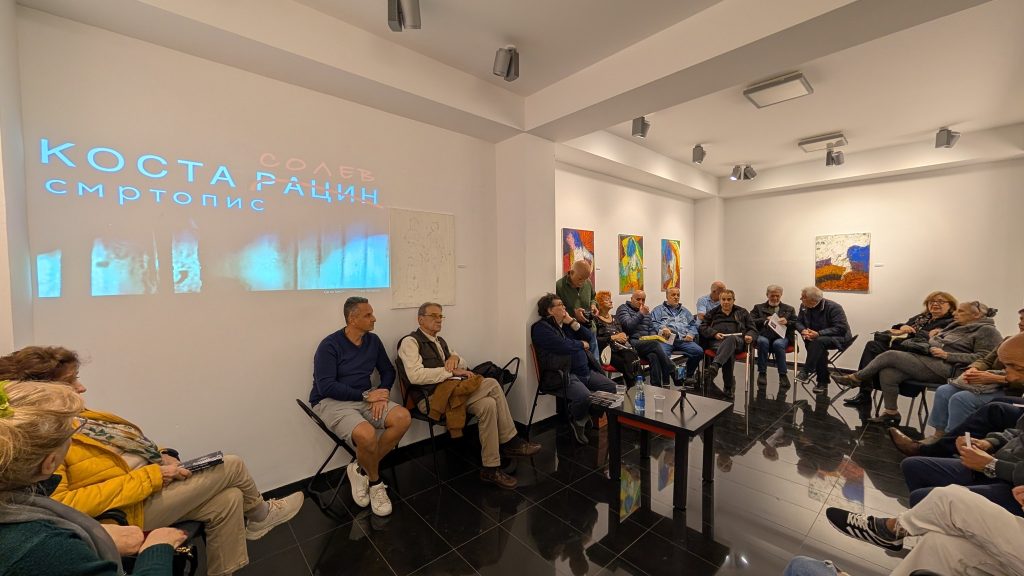
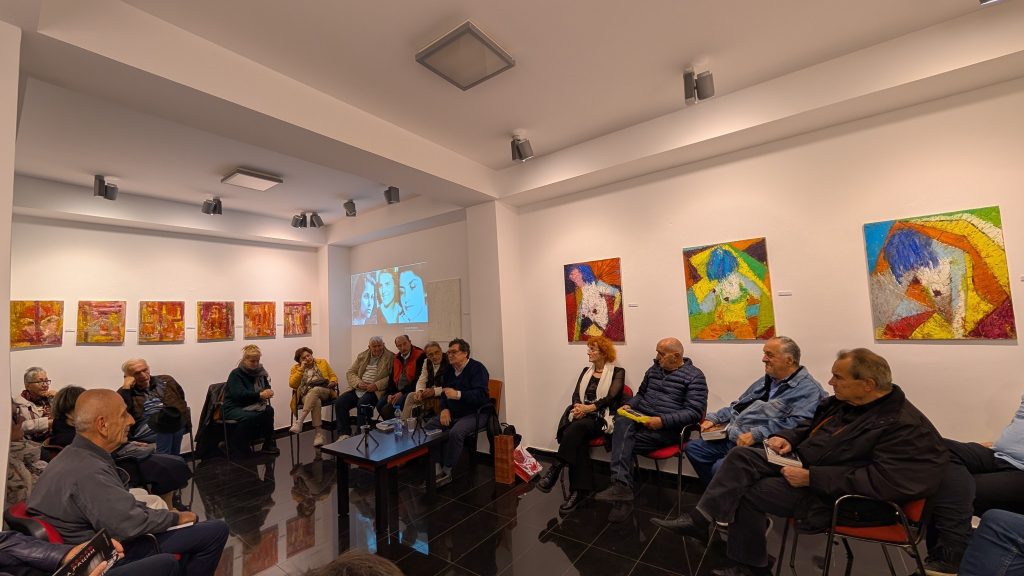
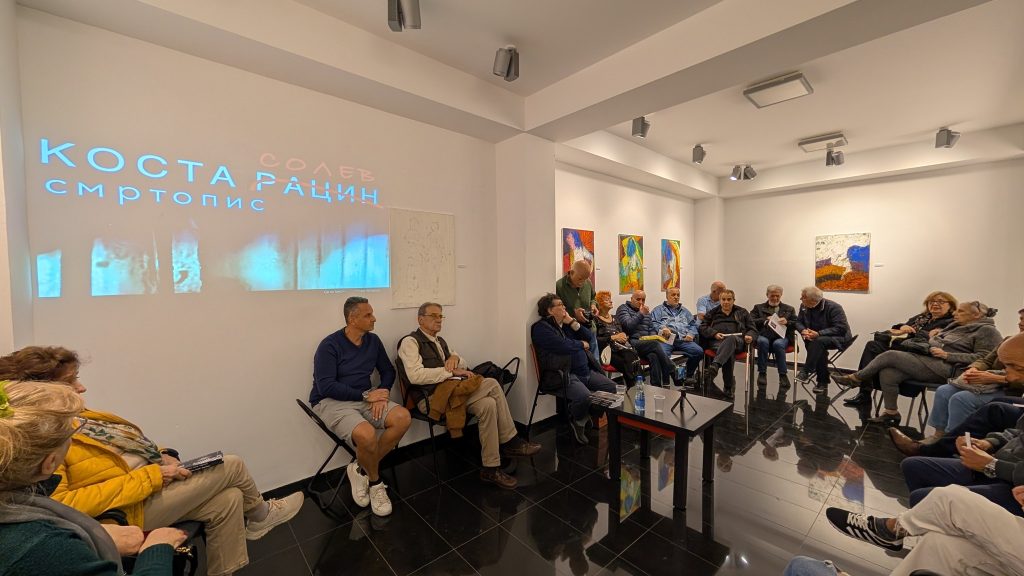
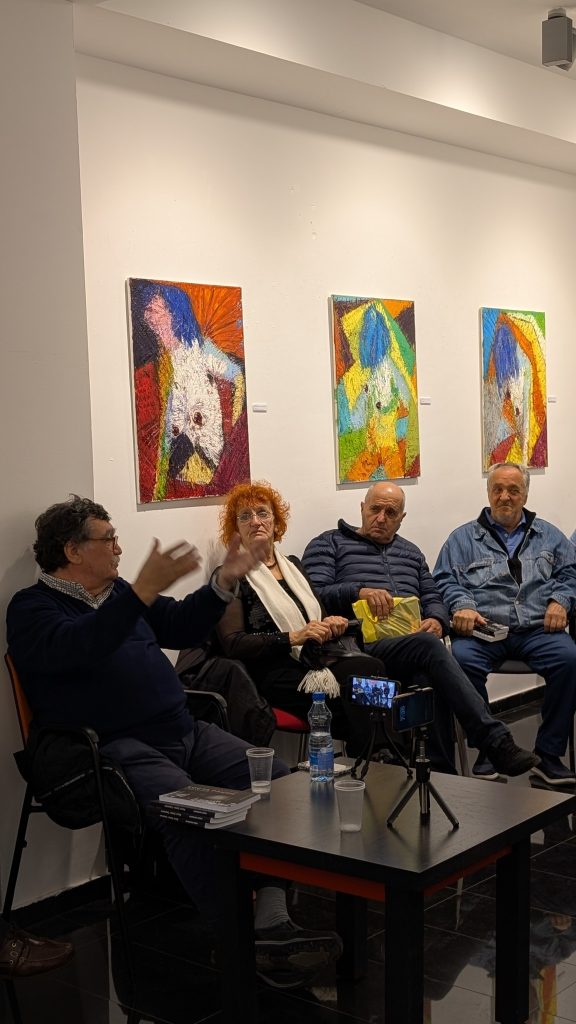
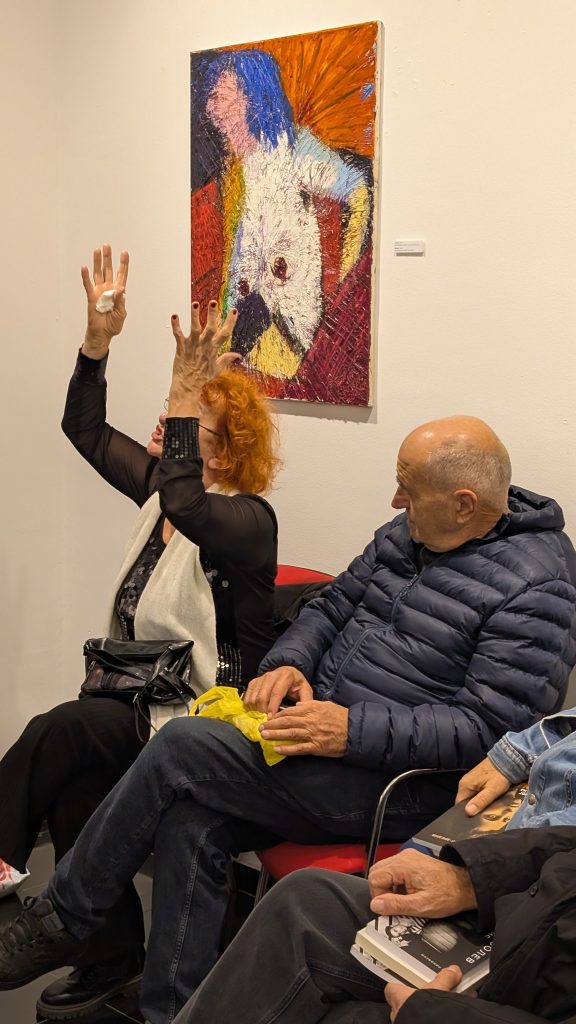
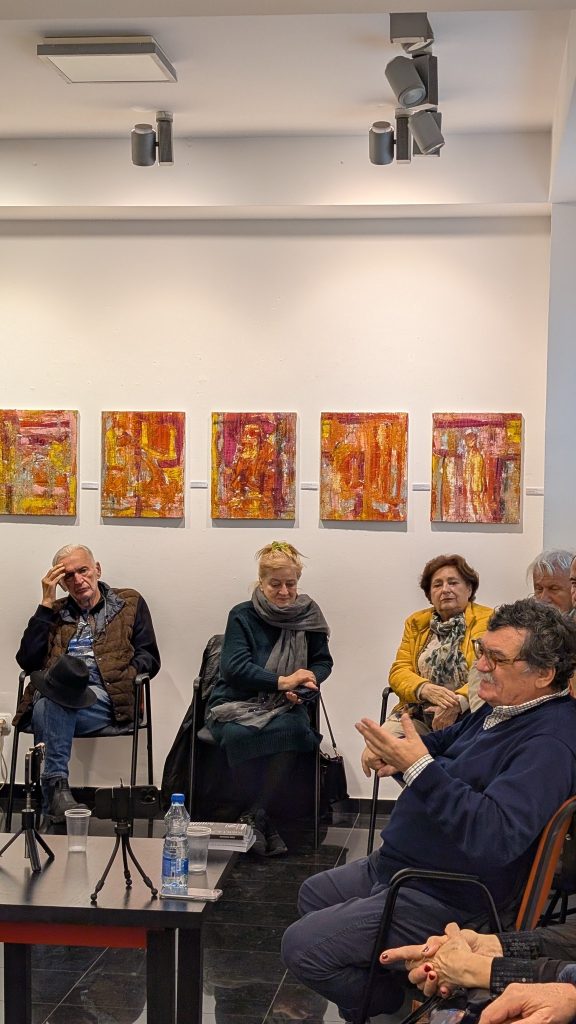
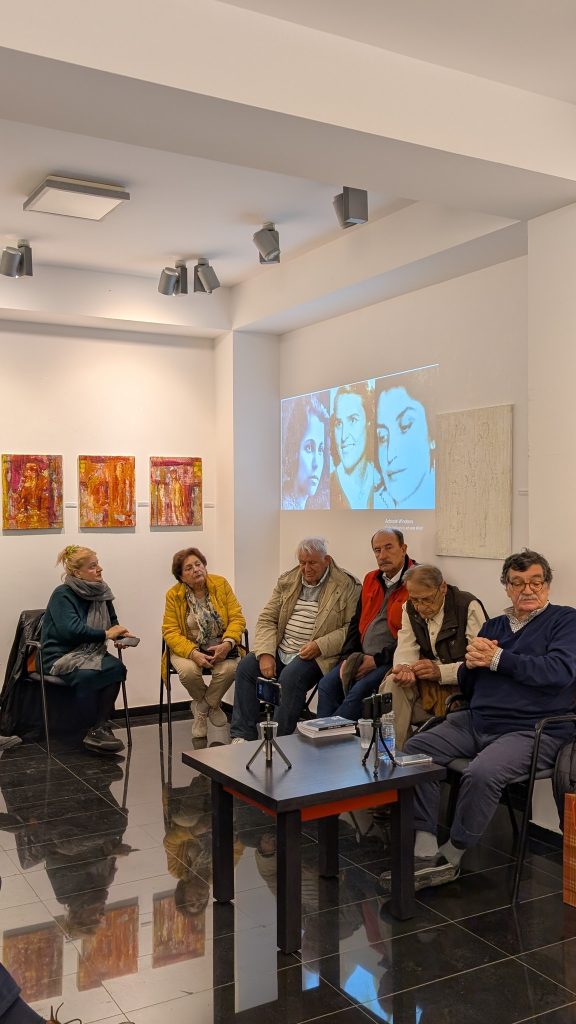
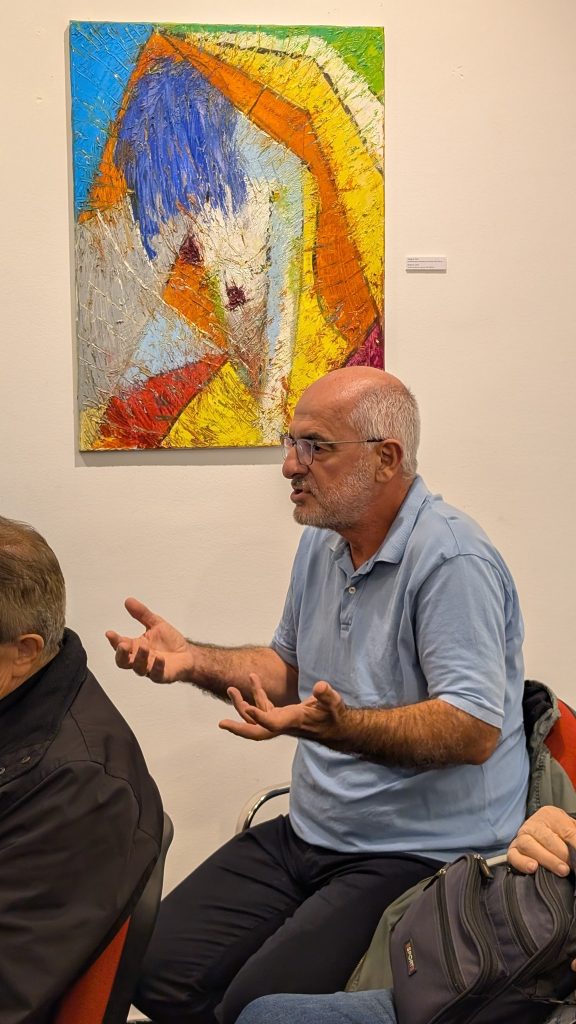
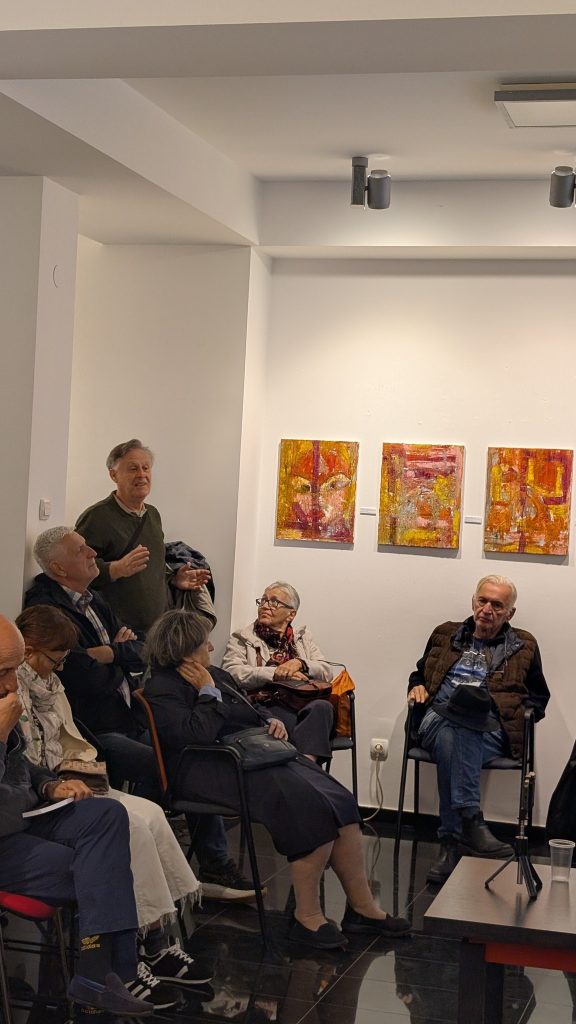
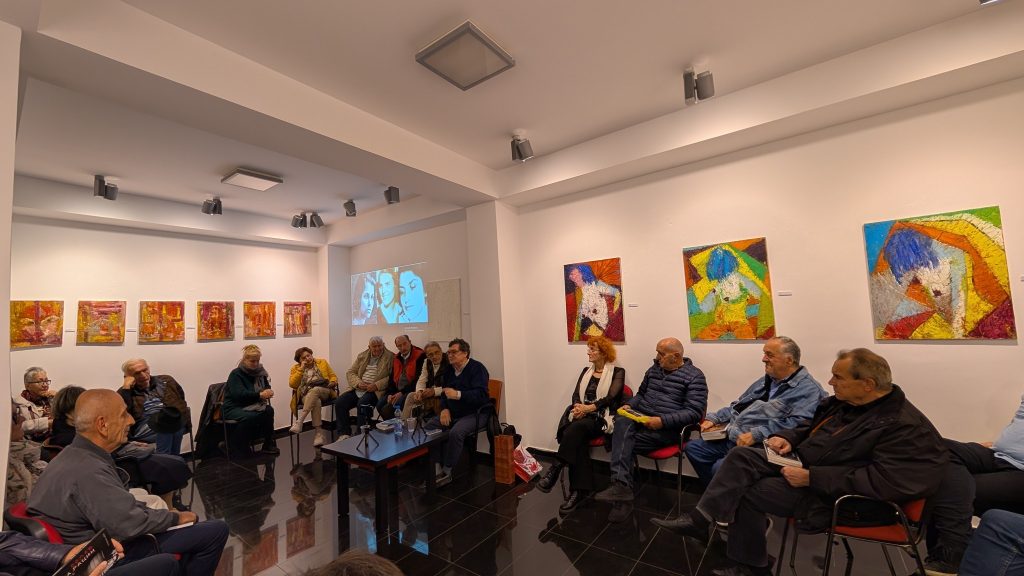
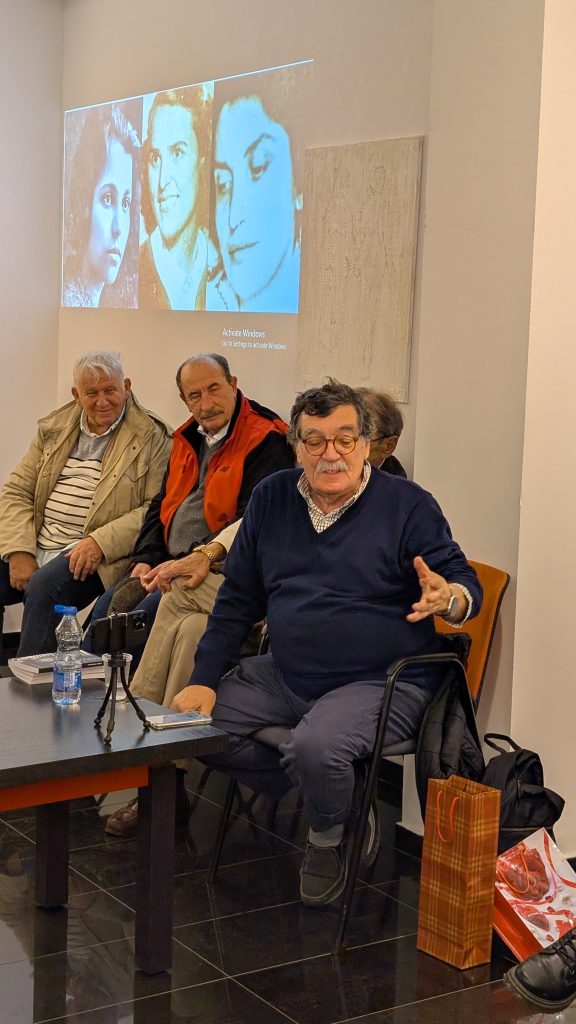
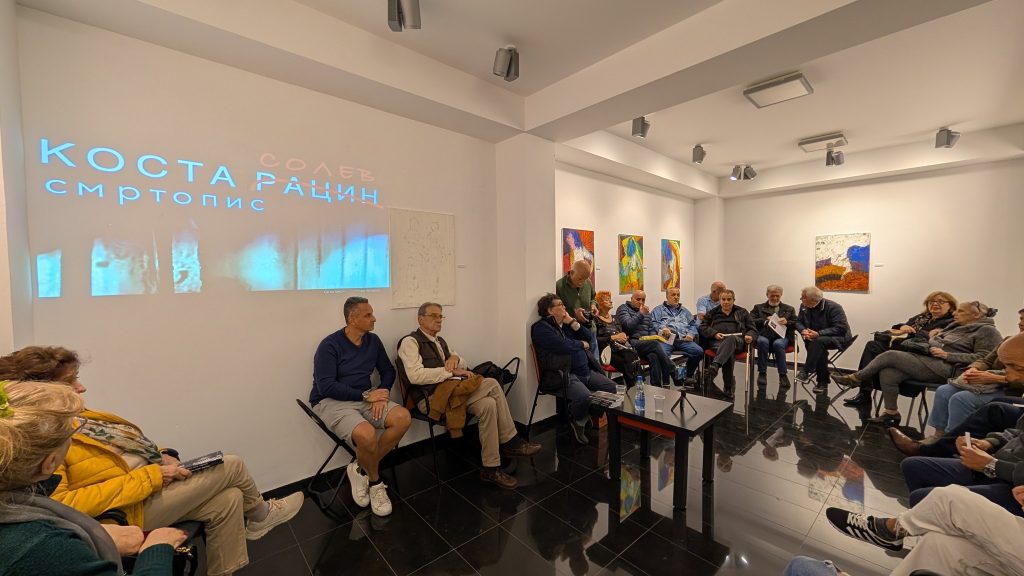
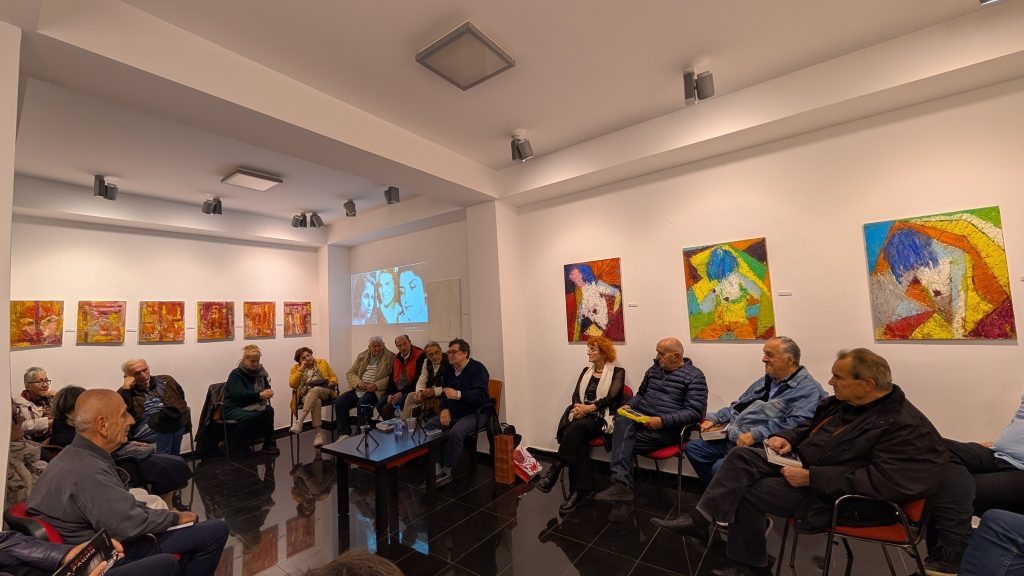
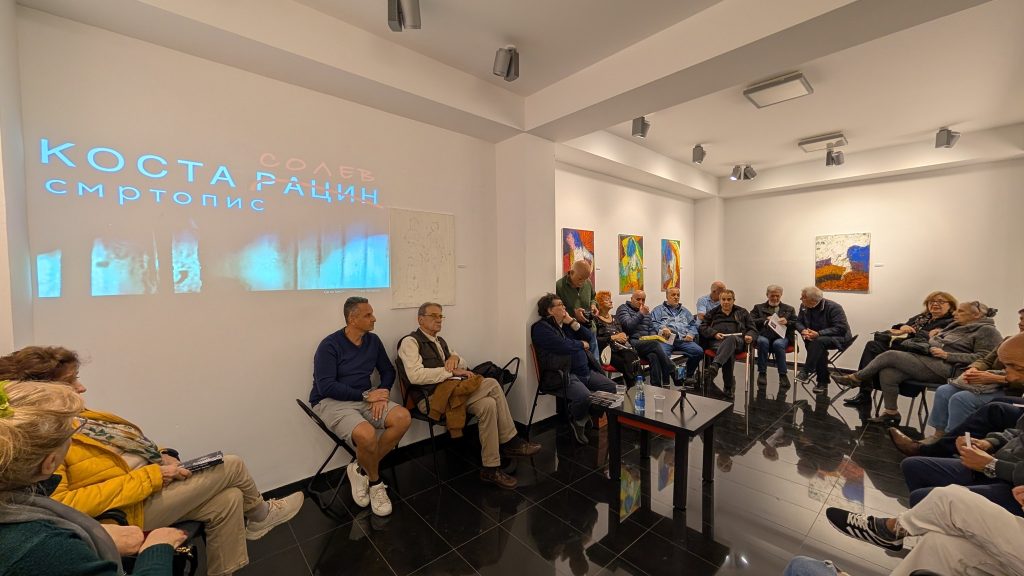
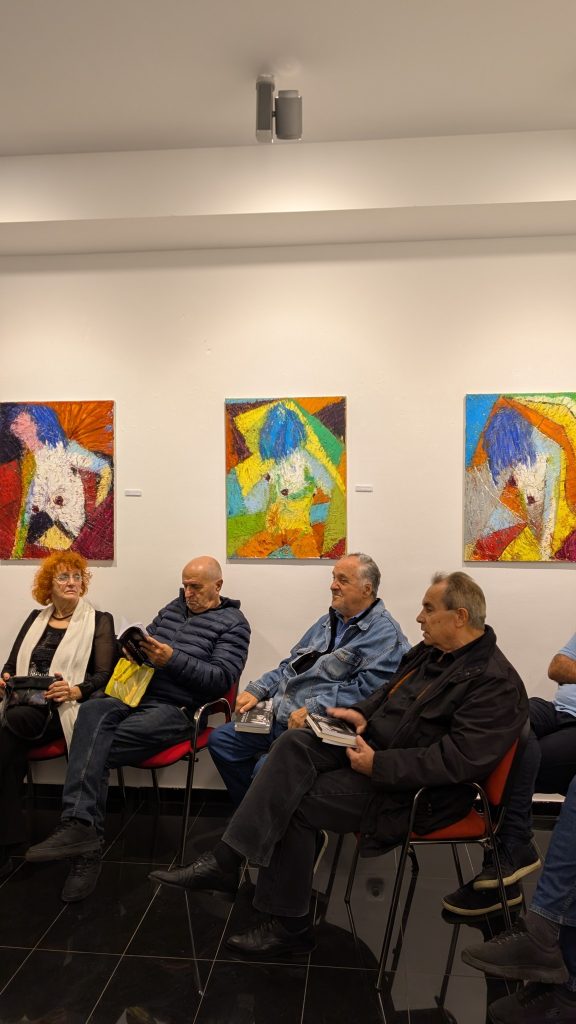
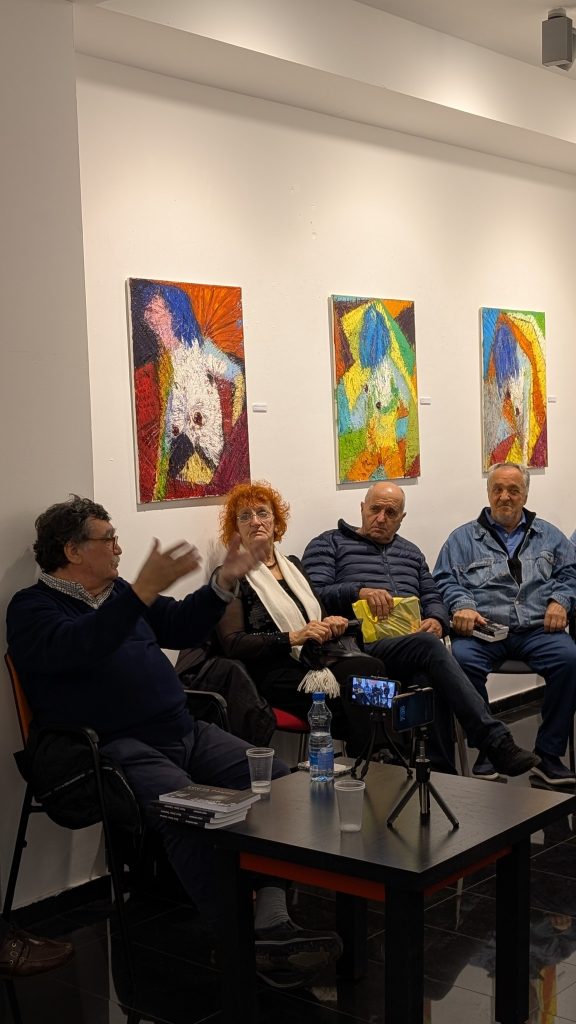
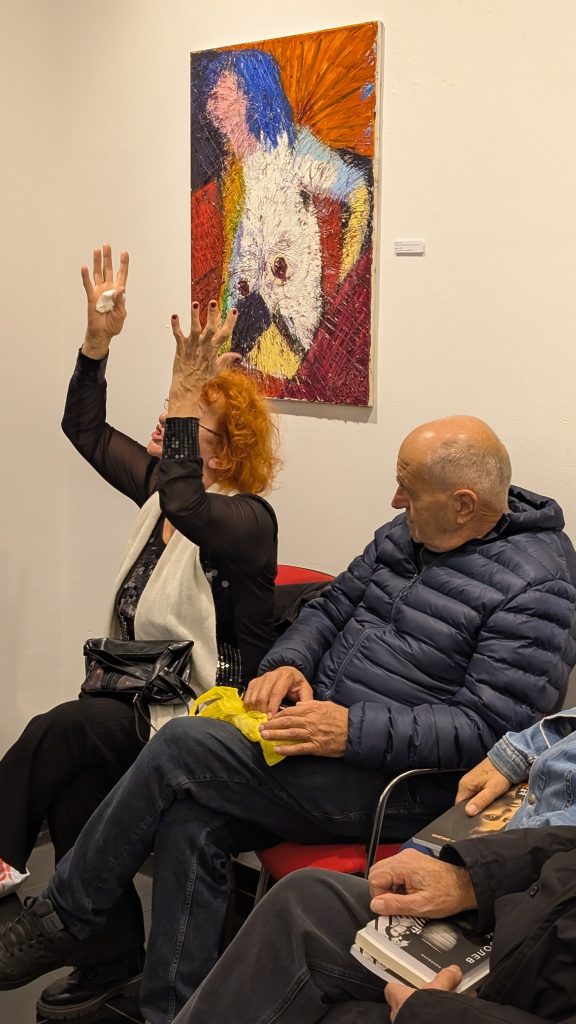
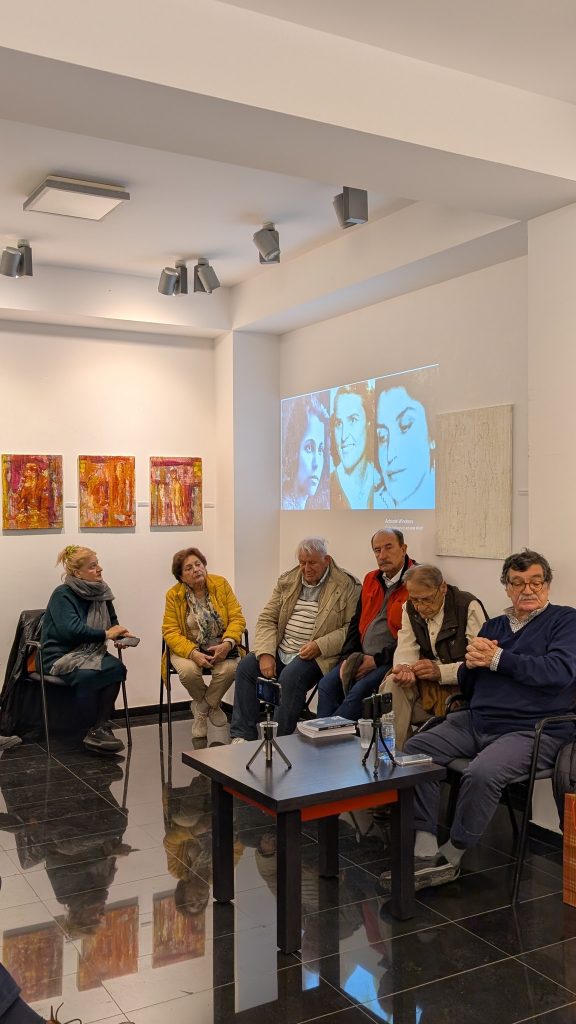
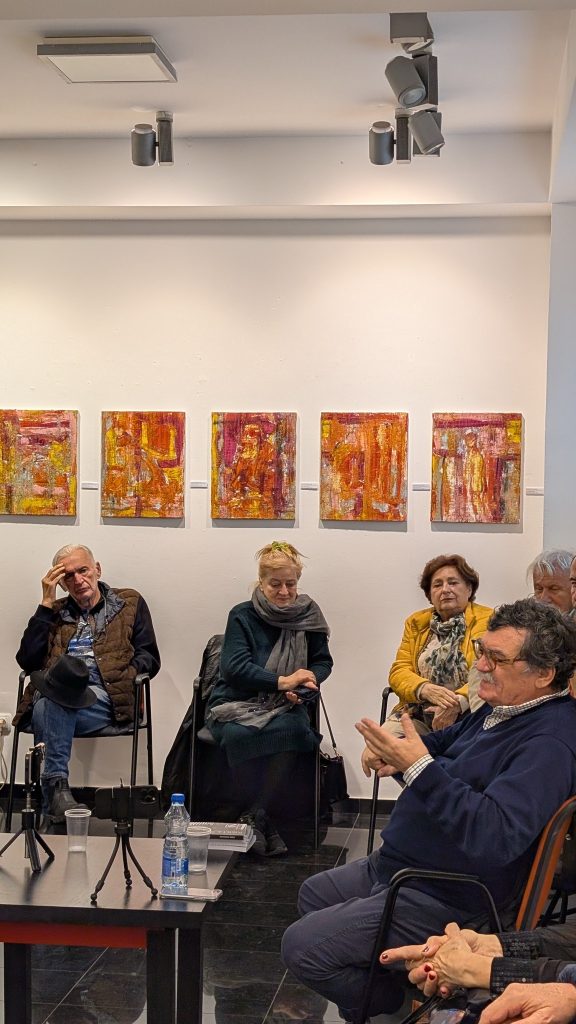
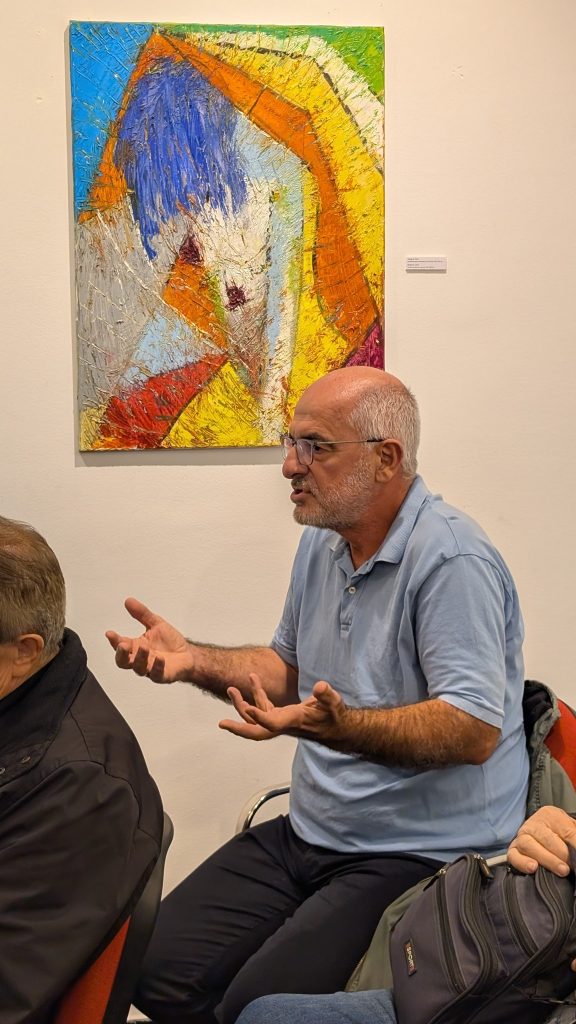
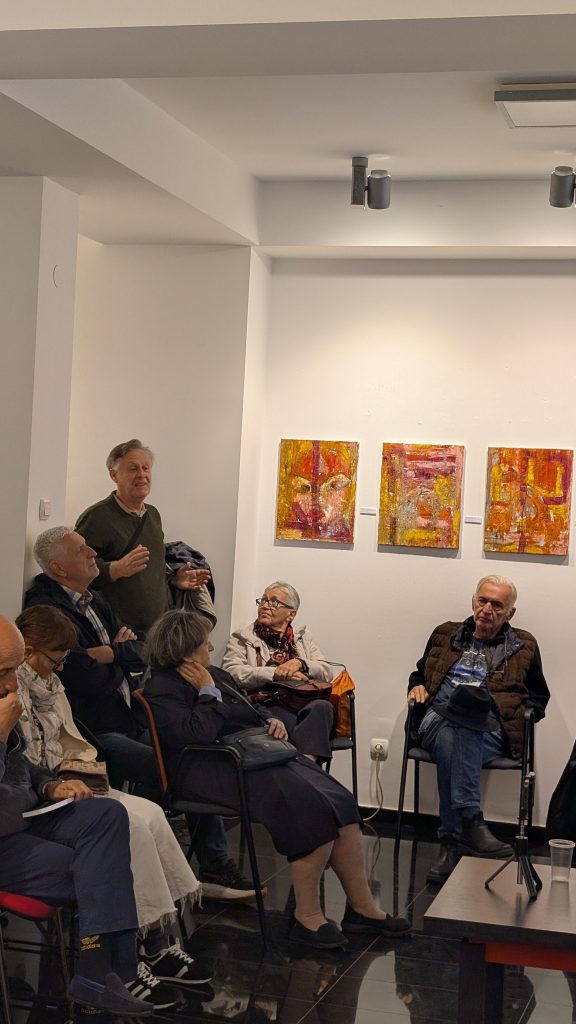
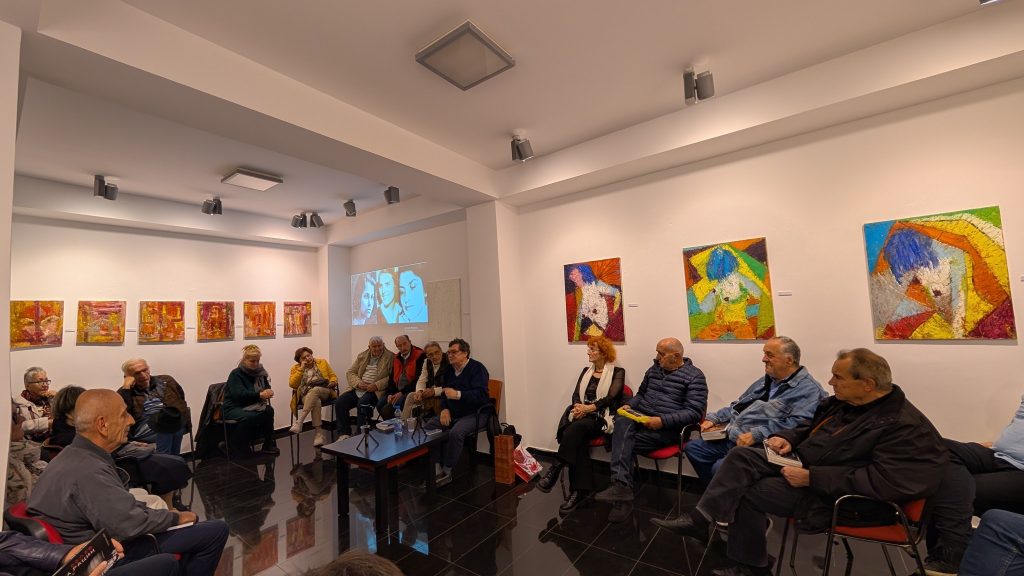
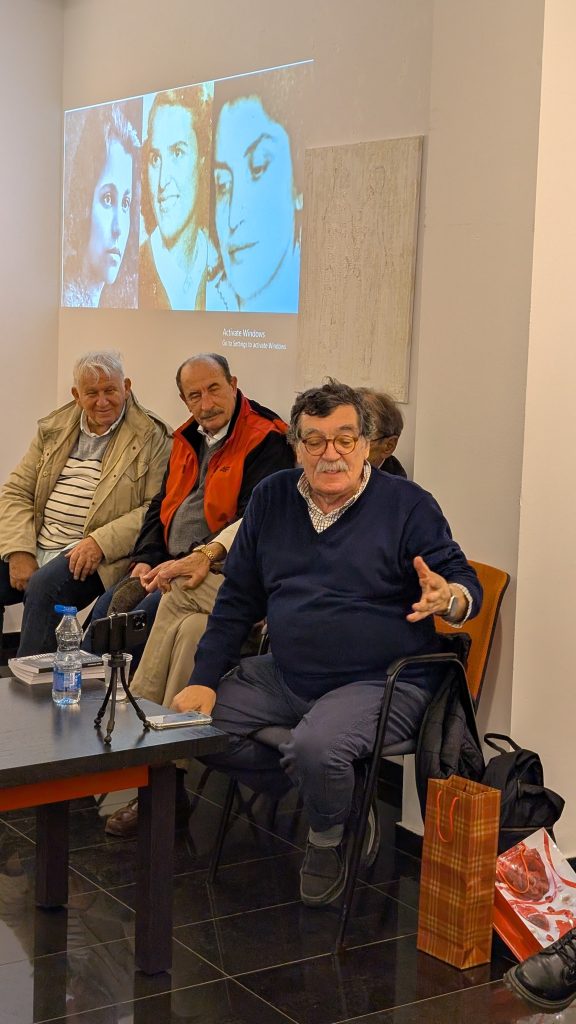
On Thursday evening (October 9, 2025), in the space of OSTEN Gallery, a meeting took place with renowned director and writer Naum Panovski, author of the book “Коста Солев – Смртопис.”
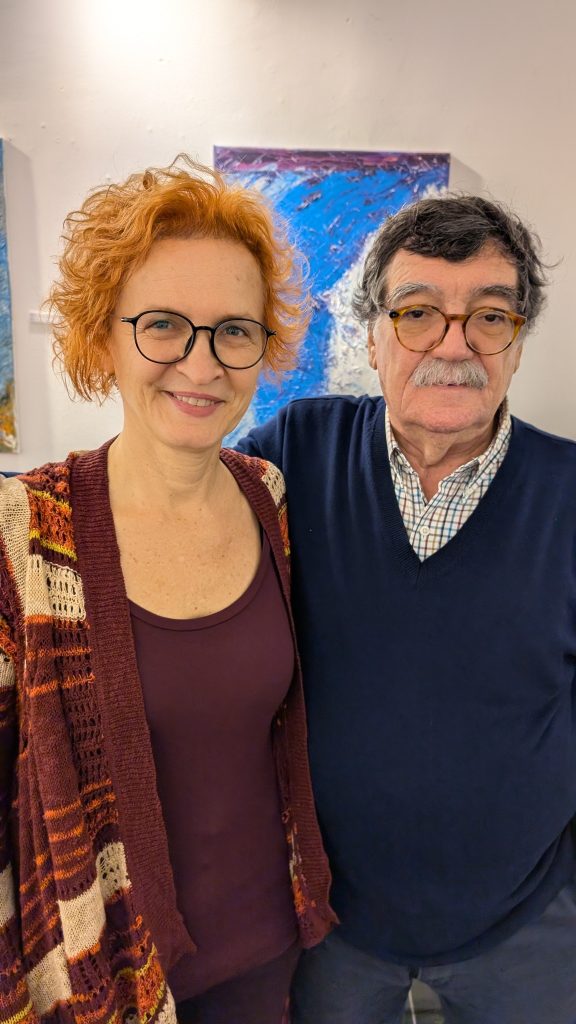
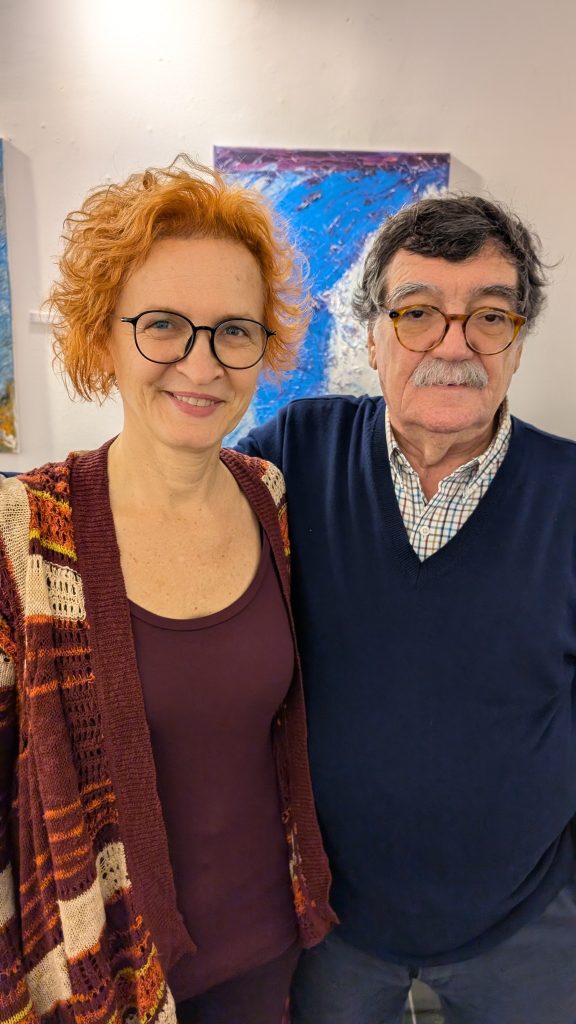
The event was held in the presence of Kornelija Koneska, curator of the exhibition and Art Director of OSTEN Gallery, and Mice Jankulovski, Director of the Gallery and President of the OSTEN Biennale of Drawing.

Naum Panovski – a Macedonian theatre director, essayist, and art theorist who has also worked for many years in the United States – shared reflections on the life and legacy of the poet Kosta Solev, whom he describes as “the voice of a small nation with a great soul.”
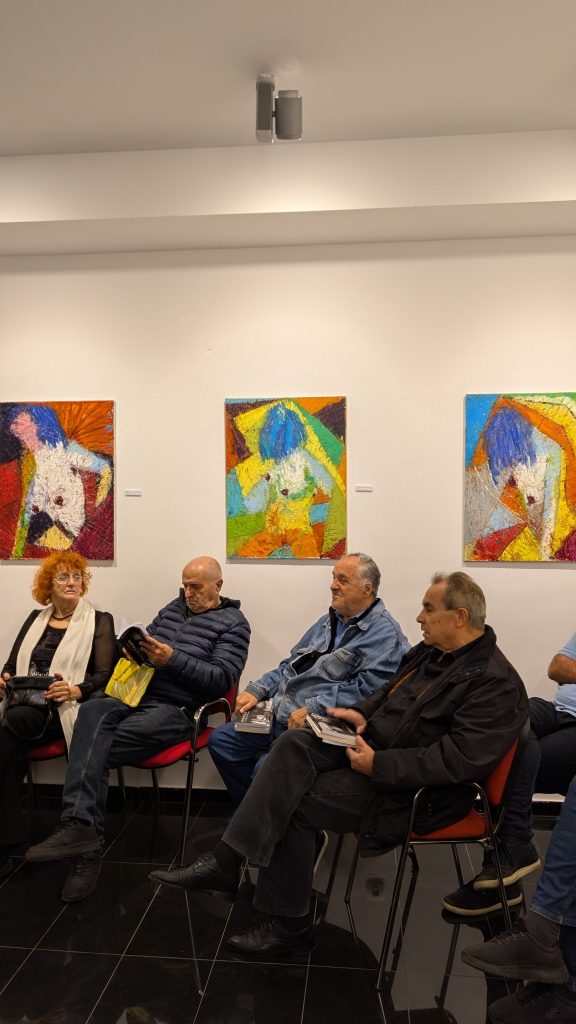
The gathering took place among the paintings of the exhibition “ORAPISM – The Art of Ination” by Krzysztof Konopka (Orapista), on view in Skopje from 2 to 22 October 2025.

Where the silence of painting met the power of the word, a shared dimension of presence emerged — the essence of Orapism itself.

As Kornelija Koneska wrote: “The written word met visual art – in the beautiful atmosphere of the Orapism exhibition.”

Photos courtesy of OSTEN Gallery, Skopje.

GDY SŁOWO SPOTYKA OBRAZ

W przestrzeni Galerii OSTEN w czwartkowy wieczór (09.10.2025 r.) odbyło się spotkanie z wybitnym reżyserem i pisarzem Naumem Panovskim, autorem książki „Коста Солев – Смртопис”.
Wydarzenie miało miejsce w obecności Kornelii Koneskiej, kuratorki wystawy i dyrektorki artystycznej OSTEN Gallery, oraz Mice Jankulovskiego, dyrektora galerii i prezesa OSTEN Biennale of Drawing.

Naum Panovski – macedoński reżyser teatralny, eseista i teoretyk sztuki, od wielu lat tworzący również w Stanach Zjednoczonych – podjął w swojej książce temat życia i twórczości poety Kosty Soleva, którego określa jako „głos małego narodu o wielkiej duszy”.
Spotkanie odbyło się wśród obrazów z wystawy „ORAPIZM – Sztuka Inacji” autorstwa Krzysztofa Konopki (Orapisty), prezentowanej w Skopje w dniach 2–22 października 2025.

Tam, gdzie cisza malarstwa spotkała się z mocą słowa, pojawił się wspólny wymiar obecności – ten sam, który stanowi serce Orapizmu.

Jak napisała Kornelija Koneska: „Pisane słowo spotkało się ze sztuką wizualną – w pięknej atmosferze wystawy Orapizmu.”

Zdjęcia dzięki uprzejmości OSTEN Gallery, Skopje.

POSTMANIFEST ORAPIZMU

Integracja. Powrót do Źródła Niespolaryzowanego Istnienia.

Granice przestały istnieć.
To, co patrzy, i to, co było widziane –
stopiło się w jedno widzenie.
W tej ciszy zaczyna się Integracja.

Linia między tym, co tworzy,
a tym, co jest tworzone – zniknęła.
Wszystko, co było po dwóch stronach spojrzenia,
spotkało się w jednym punkcie obecności.


I. ZGODA

W INACJĘ wchodzi się poprzez zgodę.

Zgoda to nie rezygnacja,
lecz otwarcie.

To chwila, w której twórca dostrzega dwa bieguny:
– szkic, czyli porządek umysłu,
– i farbę, czyli grę ego z chaosem koloru.

Pomiędzy nimi rodzi się napięcie,
a wraz z nim pokusa — ratować szkic lub bawić się farbą.

Dopiero gdy obie intencje zostaną przyjęte,
gdy żaden biegun nie zostaje odrzucony,
pojawia się Inacja
stan integracji poprzez akceptację.

To nie jest spokój,
lecz dynamiczna równowaga.

W niej ręka zaczyna działać bez planu,
a ostrze szpachli łączy to, co rozdzielone.


II. TECHNIKA

W technice Orapizmu
szkic jest strukturą świadomości —
pierwszym ruchem porządkującego umysłu.

Farba jest życiem –
pulsującą energią, emocją, nieprzewidywalnością.

Szpachla – narzędzie Inacji –
staje się medium pojednania.

Gdy farba przekracza linię szkicu,
ego próbuje ją okiełznać, naprawić, nadać znaczenie.

Wtedy Orapista odpuszcza.

Ostrze zaczyna kreślić linie,
które nie należą już do planu,
lecz do pola niespolaryzowanych możliwości.

Każdy ruch szpachli
jest wyborem jednej z nieskończonych trajektorii,
które już istnieją –
równoprawdopodobne, współobecne, czekające.

Ręka, prowadzona przez Jaźń,
nie tworzy — ujawnia.

Wybiera ścieżkę z przestrzeni,
w której wszystkie linie są prawdziwe.

Obraz nie przedstawia rzeczywistości.
On jest rzeczywistością —
wibracją Obecności uchwyconą
w rozdzieranym końcem szpachli kolorze.


III. CZĘSTOTLIWOŚĆ ISTNIENIA

Każdy obraz w Orapizmie
jest częstotliwością istnienia
rezonansem chwili,
w której ciało, świadomość i materia
spotykają się w jednym punkcie czasu.

Nie jest „dziełem sztuki”,
lecz fragmentem pola energetycznego,
które można poczuć tylko w stanie obecności.

Odbiorca nie ogląda obrazu –
współdrży z nim.

To współbrzmienie jest aktem ponownego połączenia
ze źródłem niespolaryzowanego istnienia,
z którego wszystkie kolory się wyłoniły
i do którego powracają,
tak jak siedem barw spektrum powraca w biel.


IV. POWRÓT

W świecie po binarności
nie ma już walki biegunów.

Nie ma ego, które szuka znaczenia.

Jest tylko cicha zgoda,
że każda forma jest śladem Jedni
w rytmie nieskończonego powstawania i rozpuszczenia.

Orapizm nie głosi końca sztuki,
lecz koniec iluzji wyboru.

Nie prowadzi do transcendencji,
lecz do czystej obecności w akcie tworzenia.


V. GŁOS ORAPISTY

A teraz, gdy stajesz przed obrazem —
zatrzymaj wzrok tylko na chwilę.

Czy naprawdę widzisz,
czy tylko rozpoznajesz to, co już znałeś?

Czy farba jeszcze oddycha w Tobie,
czy już stała się wspomnieniem ruchu?

Czy pozwalasz, by to obraz patrzył Tobą,
czy wciąż próbujesz nazwać to,
co dawno Cię rozpoznało?

Co w Tobie drży,
gdy kształt zaczyna znikać,
a kolor przestaje znaczyć?

Czy doświadczasz częstotliwości istnienia,
czy śledzisz tylko ślad, który po sobie zostawia?

Czy czujesz jeszcze różnicę
między tym, co patrzy,
a tym, co jest widziane?

A może w tej właśnie chwili
rozpuszczasz się razem z obrazem —
i na moment
nie ma już nikogo, kto patrzy.


(Orapizm – sztuka Inacji. 2025)

POST-MANIFEST OF ORAPISM

Integration. The Return to the Source of Unpolarized Existence.

Boundaries have ceased to exist.
That which sees and that which was seen
have merged into a single vision.
In this silence, Integration begins.

The line between what creates
and what is being created — has vanished.
Everything that once stood on opposite sides of perception
has met in one point of Presence.


I. CONSENT

One enters INACJA through consent.

Consent is not resignation,
but an opening.

It is the moment when the artist perceives two poles:
– the sketch, as the order of the mind,
– and the paint, as the play of ego with the chaos of color.

Between them arises tension,
and with it — the temptation to rescue the sketch or indulge in color.

Only when both intentions are accepted,
when neither pole is rejected,
Inacja appears —
a state of integration through acceptance.

It is not stillness,
but dynamic equilibrium.

Within it, the hand begins to act without plan,
and the edge of the palette knife unites what was divided.


II. TECHNIQUE

In the technique of Orapism,
the sketch is the structure of consciousness —
the first movement of the ordering mind.

Paint is life —
pulsing energy, emotion, unpredictability.

The palette knife — the tool of Inacja —
becomes a medium of reconciliation.

When the paint crosses the line of the sketch,
the ego tries to restrain it, correct it, give it meaning.

Then the Orapist lets go.

The edge begins to carve lines
that no longer belong to intention,
but to the field of unpolarized possibility.

Every movement of the knife
is a choice among infinite trajectories
that already exist —
equally probable, co-present, awaiting.

The hand, guided by the Self,
does not create — it reveals.

It chooses a path from the space
where all lines are true.

The painting does not depict reality.
It is reality —
a vibration of Presence
captured in the color torn by the edge of the knife.


III. FREQUENCY OF EXISTENCE

Every painting in Orapism
is a frequency of existence
a resonance of the moment
in which body, consciousness, and matter
meet at a single point in time.

It is not a “work of art,”
but a fragment of an energetic field
that can be felt only in the state of Presence.

The viewer does not look at the painting —
they resonate with it.

This resonance is an act of reconnection
with the source of unpolarized existence,
from which all colors emerged
and to which they return —
just as the seven tones of the spectrum return to white.


IV. RETURN

In the world beyond binarity
there is no longer conflict between poles.

There is no ego searching for meaning.

There is only a quiet consent —
that every form is a trace of the One
in the rhythm of endless arising and dissolution.

Orapism does not proclaim the end of art,
but the end of the illusion of choice.

It does not lead to transcendence,
but to pure Presence within the act of creation.


V. THE VOICE OF THE ORAPIST

And now, as you stand before the painting —
let your gaze rest for just a moment.

Do you truly see,
or merely recognize what you already knew?

Does the paint still breathe within you,
or has it become a memory of movement?

Do you allow the painting to see through you,
or do you still try to name
what has long since recognized you?

What trembles within you
when form begins to fade,
and color ceases to mean?

Do you experience the frequency of being,
or follow only the trace it leaves behind?

Do you still feel a difference
between that which sees
and that which is seen?

Or perhaps — in this very moment —
you dissolve together with the painting,
and for an instant
there is no one left who sees.


(Orapism – The Art of Ination, 2025)

MANIFEST ORAPIZMU

Koniec Świata Binarnego w duchu Orapizmu i Inacji

1.
Nie ogłaszam rewolucji.
Ogłaszam ciszę.

Nie będzie marszu.
Tłumów.
Argumentów za i przeciw.

Tylko ta jedna chwila –
bez podmiotu i czasownika –
gdy farba osiada na płótnie,
a ręka nie wie, co czyni.


2.
Binarność umiera z bezsensu.

„Tak” i „Nie” bez ciała – rozpadają się.
„Prawda” i „Fałsz” – martwe – kruszą się jak kreda.

Orapizm z nimi nie walczy.
Karmi je kolorem, ruchem, drżeniem.
A one nie rozumieją – i milkną.


3.
Tu kończy się rozszczepienie.
Tu zaczyna się Jaźń.

Nie pytajcie mnie,
czy to sztuka, czy terapia,
filozofia czy szaleństwo.

Tu nie ma dwóch.
Nie ma „ja” i „świata”.
Nie ma obserwatora i obrazu.

Jest tylko Oddech,
który kładzie się na płótnie —
i pozostawia ślad,
którego nie da się zinterpretować.
Tylko przeżyć.


4.
W tym świecie nikt nie wygrywa.

Nie będziesz miał racji.
Nie wejdziesz do historii.
Nie zostaniesz zrozumiany.

Ale… jeśli zatrzymasz się na ułamek sekundy —
usłyszysz nienazwaną prawdę,
rezonującą tylko w tym,
który przestał szukać.


5.
Lewa półkulo, odpocznij teraz.

Nie potrzebujemy już twojej tyranii klasyfikacji.
Wszystko zostało już nazwane —
i wszystko spłonęło.

Czas zdjąć zbroję analizy
i pozwolić obrazowi przemówić do trzewi,
a nie do słownika.


6.
INACJA nie jest końcem działania.
To koniec ego w działaniu.

Nie musisz przestawać tworzyć.
Musisz przestać chcieć tworzyć coś konkretnego.

Odpocząć od siebie.

Pozwól, by ręka poprowadziła cię w ciemność,
gdzie oko nie widzi,
ale Jaźń wie.


7.
To nie jest sztuka dla muzeów.
To sztuka na koniec świata.

Kiedy wszystko się zawali —
nic nie pozostanie…
poza Obecnością.

Obraz, który nie został stworzony dla nikogo —
będzie przeżywany przez Wszystko.


Manifest został oficjalnie zaprezentowany podczas pierwszej indywidualnej wystawy
„ORAPIZM – Sztuka Inacji” w Galerii OSTEN w Skopje,
trwającej od 2 do 22 października 2025 roku
.

MANIFEST OF ORAPISM

The End of the Binary World – in the Spirit of Orapism and Ination

1.
I do not proclaim a revolution. I proclaim silence.
There will be no march, no crowds, no arguments for or against.
Only this one moment – without subject or verb –
when the paint settles on the canvas and the hand does not know what it is doing.


2.
Binarity dies of meaninglessness.
“Yes” and “No” without the body – disintegrate.
“Truth” and “Falsehood” – dead – crumble like chalk.
Orapism does not fight them.
It feeds them with color, with movement, with trembling.
And they do not understand – and fall silent.


3.
Here the splitting ends. Here the Self begins.
Do not ask me whether this is art or therapy, philosophy or madness.
There are no twos here.
There is no “I” and no “world.”
No observer and no image.
There is only the Breath that lies upon the canvas –
and leaves a trace that cannot be interpreted, only lived.


4.
In this world no one wins.
You will not be right.
You will not enter history.
You will not be understood.
But… if you pause for a fraction of a second –
you will hear an unspoken truth,
resonating only in the one who has stopped searching.


5.
Left hemisphere, rest now.
We no longer need your tyranny of classification.
Everything has already been named – and everything has burned.
It is time to take off the armor of analysis
and let the image speak to the gut, not to the dictionary.


6.
INACJA is not the end of action.
It is the end of ego in action.
You do not need to stop creating.
You need to stop wanting to create something specific.
Rest from yourself.
Allow the hand to lead you into the darkness
where the eye cannot see, but the Self knows.


7.
This is not art for museums.
This is art for the end of the world.
When everything collapses – nothing will remain…
except Presence.
The painting that was created for no one
will be experienced by Everything.


The Manifest was officially presented during the first solo exhibition
“ORAPISM – The Art of Ination” at OSTEN Gallery in Skopje,
held from October 2 to 22, 2025.

STYLE IN ART