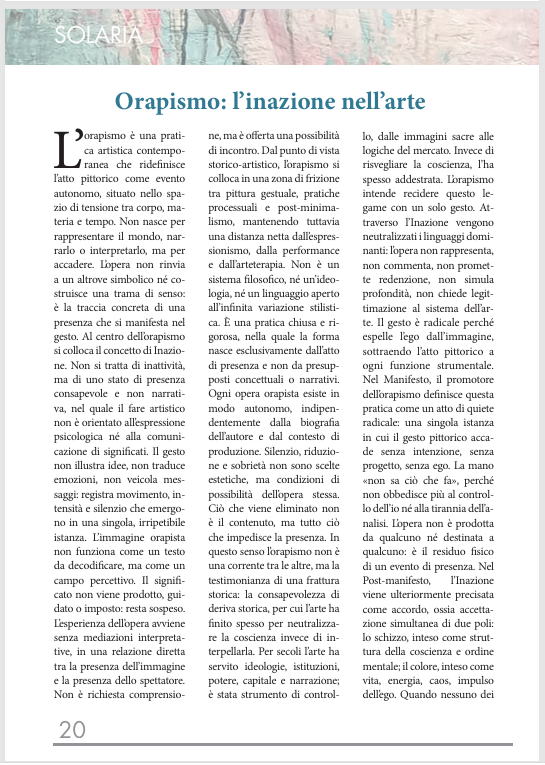
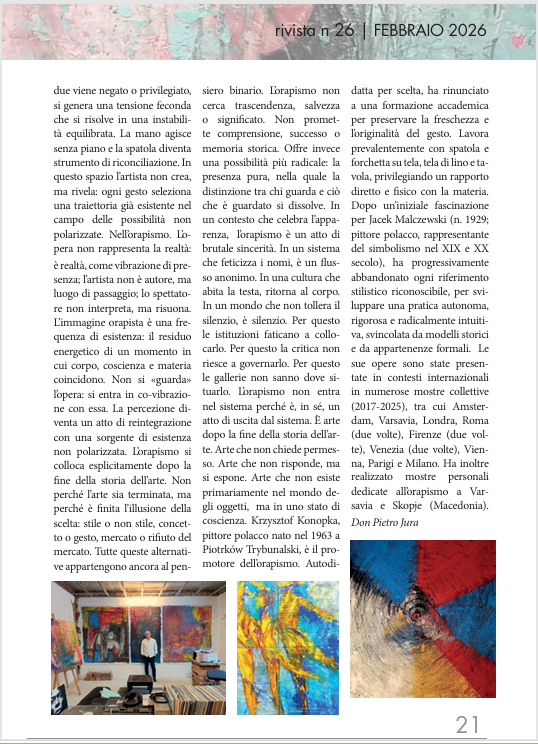
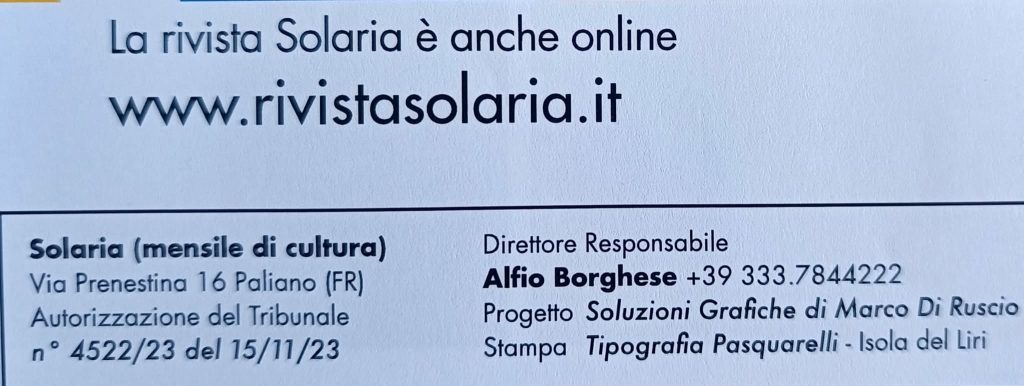
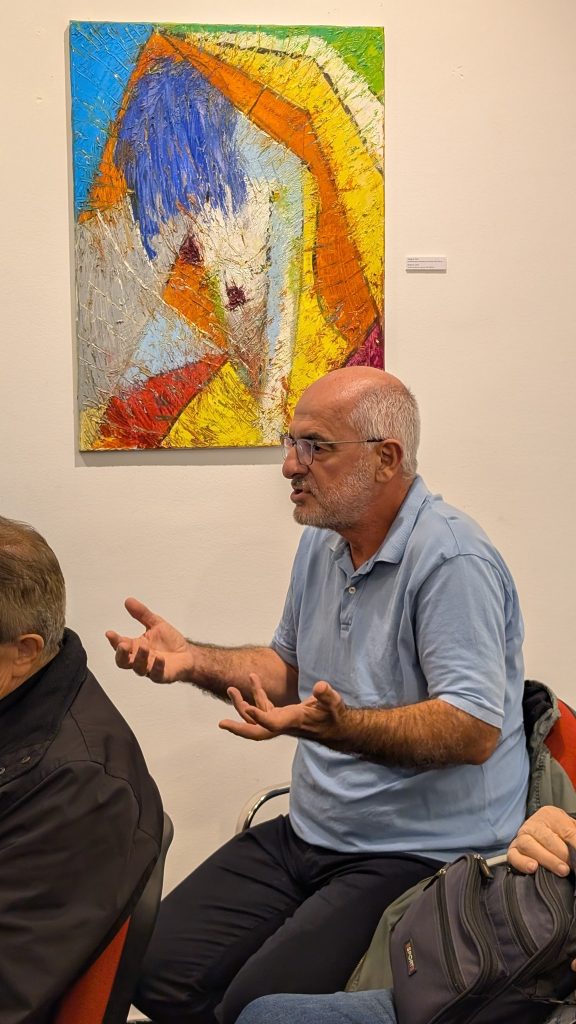
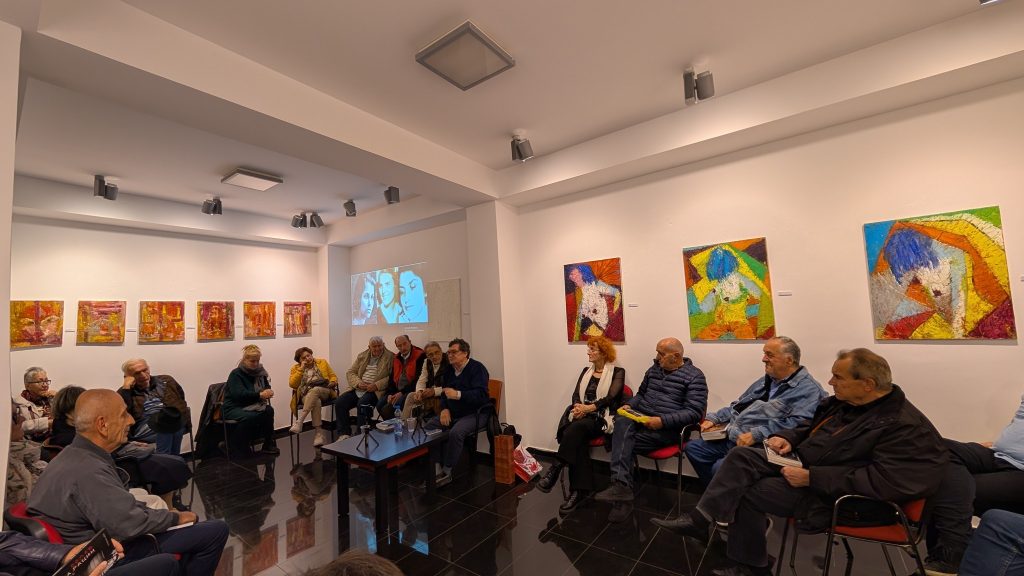
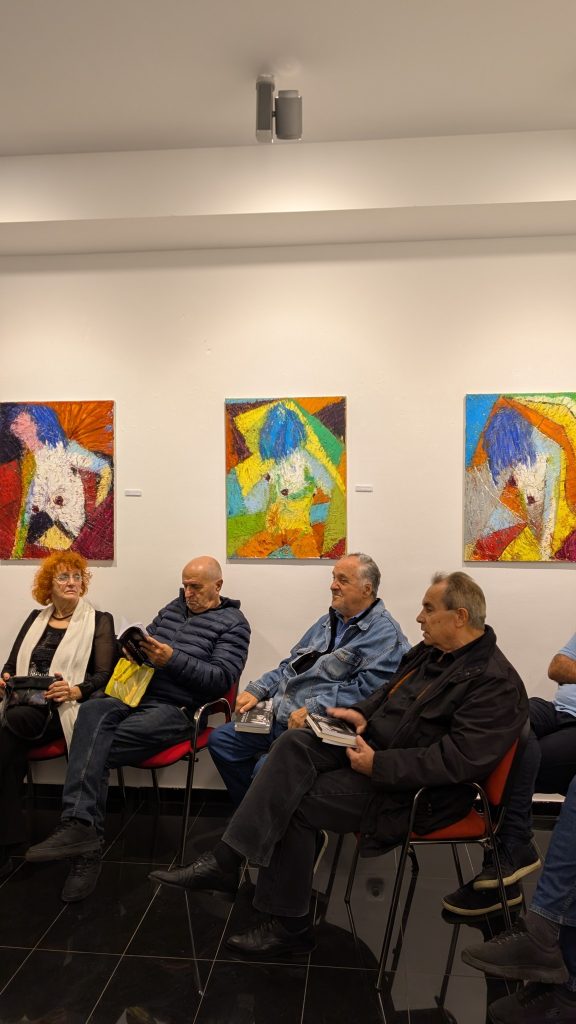
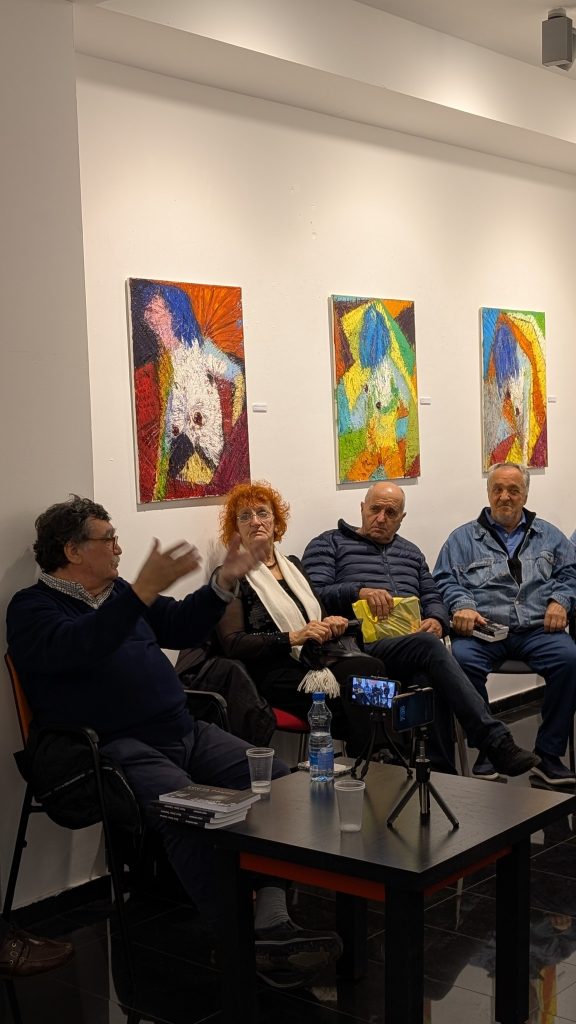
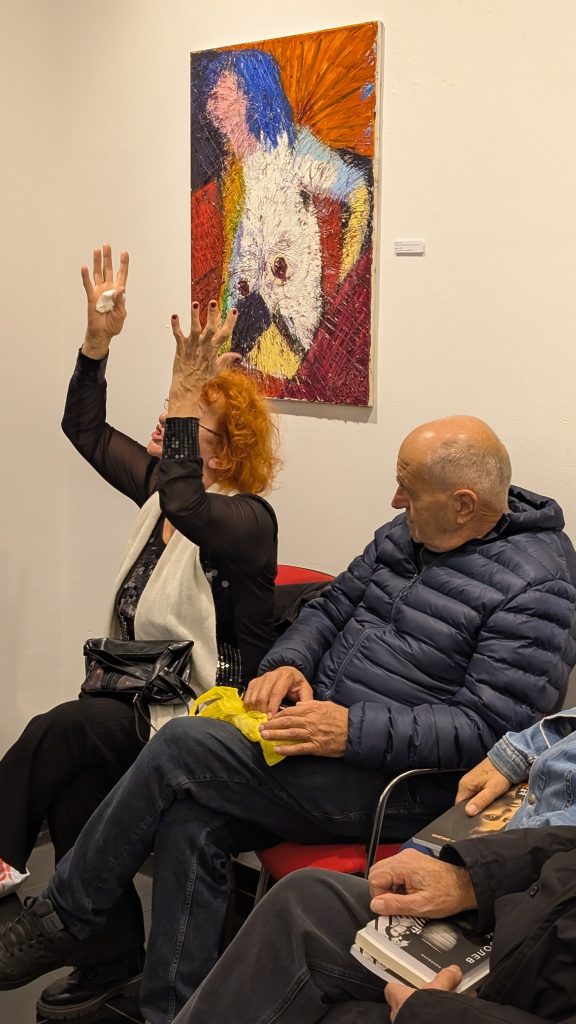
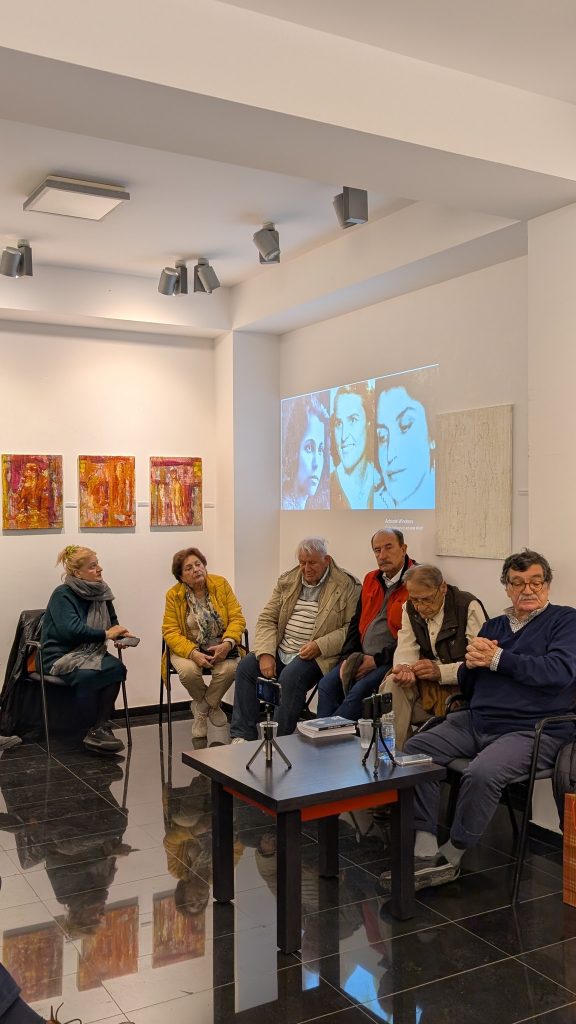
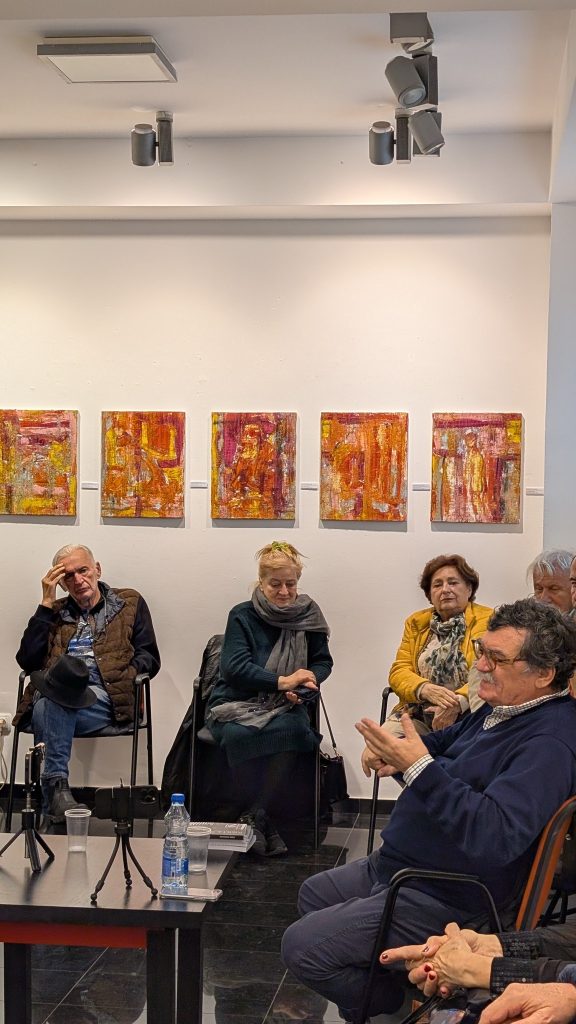
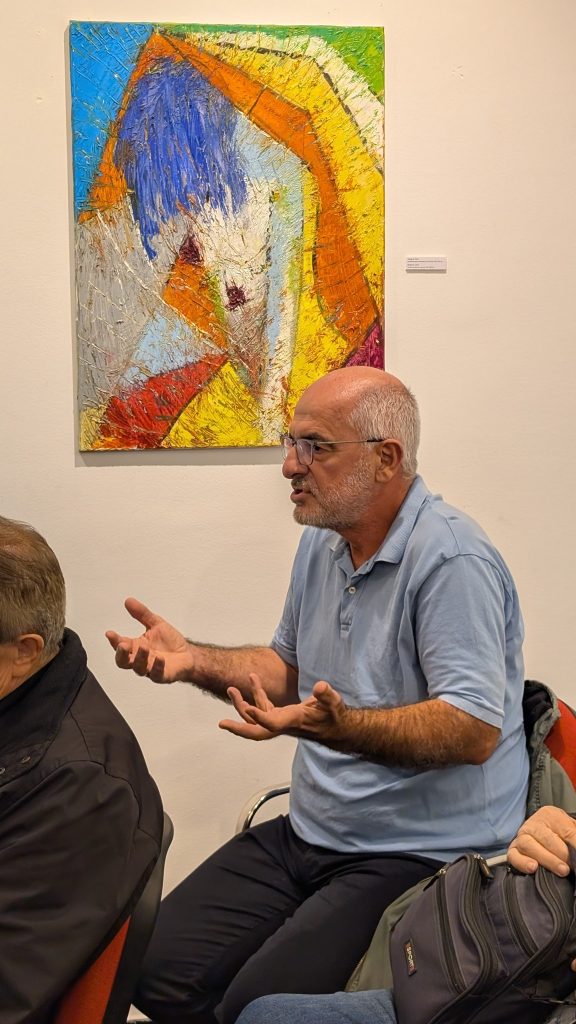
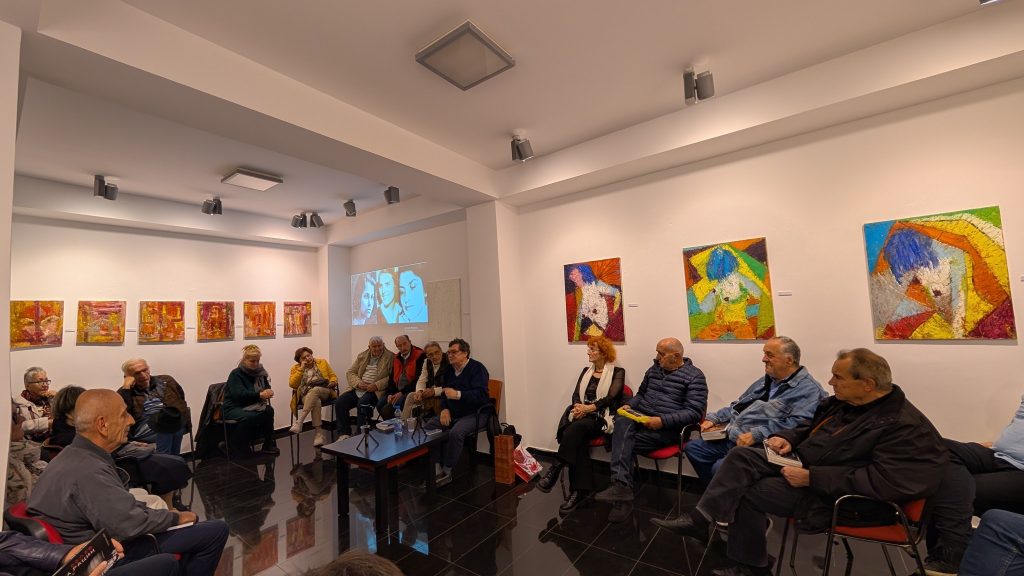
Don Pietro Jura, “Orapismo: l’inazione nell’arte”, a critical essay on Orapizm®, published in the international magazine Solaria (No. 26, February 2026), edited by Prince Alfio Borghese.
“Orapizm redefines the act of painting as an autonomous moment of tension between body, matter, and time.”
Source Solaria — Rivista Internazionale di Arte e Cultura No. 26, February 2026 pp. 20–21
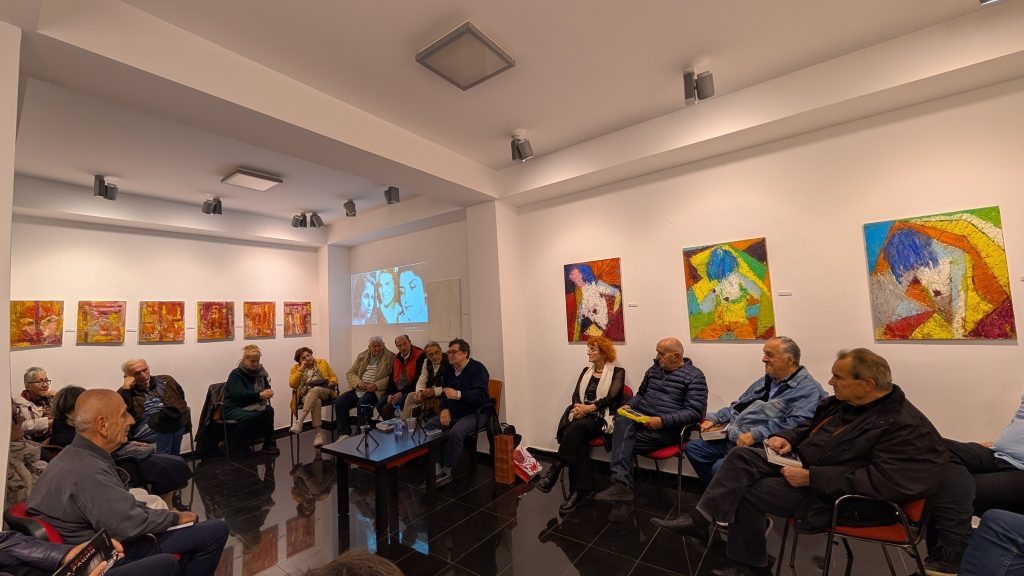
Orapism is a contemporary artistic practice that redefines the act of painting as an autonomous moment of tension between body, matter, and time. It does not arise in order to narrate or interpret something, but to allow a process to occur. The work does not refer to another symbolic or conceptual meaning; rather, it is a concrete trace of presence that reveals itself in the gesture. At the center of Orapism lies the concept of ination. This does not mean inactivity, but a state of conscious, non-narrative activity – the moment in which artistic action is no longer directed toward psychological expression or the communication of meanings. The gesture does not illustrate an idea, does not transmit emotions, and does not function as a carrier of a message; it records movement and installs a silence from which the image emerges. The image thus becomes a perceptual event. It does not function like a text requiring interpretation, but like a field of perception. Meaning is neither produced nor interpreted – it remains suspended. The experience of the work takes place without interpretative mediation, in the direct relation between the presence of the image and the presence of the viewer. From the perspective of art history, Orapism situates itself within a space of tension between minimalism and processual practices, while maintaining a clear distance from the dominant languages of contemporary art. It is not a philosophical system nor a closed doctrine, but an open language that allows for different stylistic variations. Orapism does not emerge from conceptual or narrative premises. Each work is born autonomously, independent of the artist’s biography and the context of production. Silence, reduction, and concentration are not aesthetic decisions but conditions that make the image itself possible. Everything that could obscure its presence is removed. In this sense, Orapism is not a testimony of its era nor a historical commentary. It is rather a trace of a form of consciousness. Where art has often functioned as an instrument of ideology, power, or narrative, Orapism neutralizes these functions, restoring to the image its primordial capacity to awaken awareness. It does not propose salvation, nor does it promise transcendence. It does not demand deep interpretation either. Through the radical rejection of the image as representation and the removal of gesture as expression, it opens a space of silence in which the image ceases to be a depiction and becomes an experience. Within this space the artist is no longer an author in the traditional sense, but rather a passage through which the gesture moves. The viewer, in turn, does not interpret the image but resonates with it. The Orapist image is not a message – it is a form of presence. After an initial interest in the work of Jacek Malczewski, the Polish painter associated with the symbolism of the late nineteenth and early twentieth centuries, Krzysztof Konopka gradually abandoned stylistic references and developed an autonomous painting practice characterized by the rigor of gesture and a radical reduction of formal means. His works have been presented in numerous international group exhibitions (2017–2025), including in Amsterdam, London, Paris, Venice, Florence, and Vienna, as well as in solo exhibitions in Skopje (North Macedonia).